
We drove 357 miles today across western Kansas (all prairie) and into Colorado, turning north to Estes Park, just outside the entrance to the Rocky Mountain National Park. After checking into the KOA Campground, we drove into the park at 4 p.m. (Mountain Time). The National Park has a system of limited entries this year and we had applied for and received a permit for 4 p.m. more than a month ago.
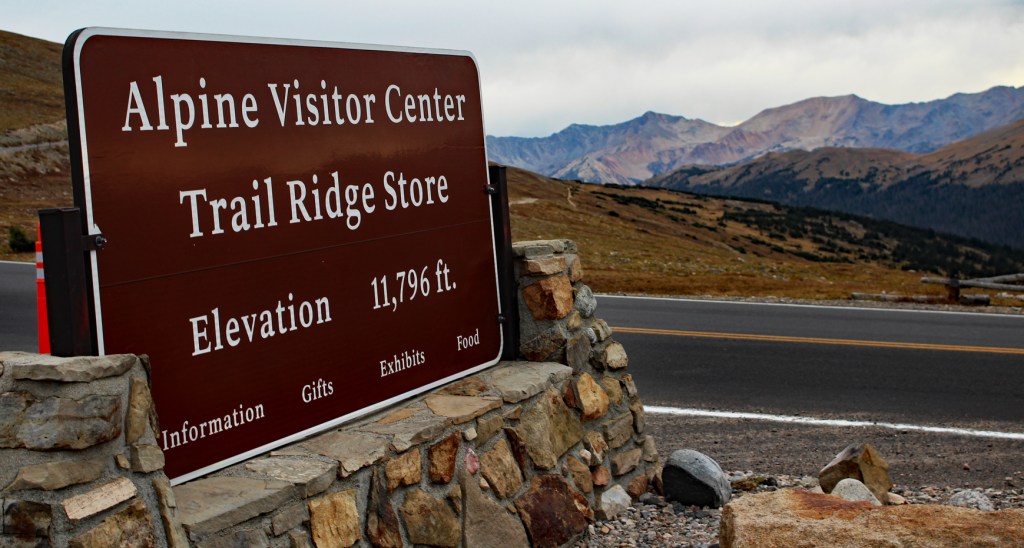
When we checked into the KOA, they suggested a good first day drive would be to go into the Fall River entrance and take an eight-mile dirt and gravel, single-lane road up to the Alpine Visitor’s Center at 11,796 feet. The maximum speed on the road was 15 mph and it had many hair-pin turns with jagged rock walls on one side and a deep drop-offs on the other. The road also had deep ruts and the Roadtrek was almost bottoming out on a few of the hairpins, including some on which we had to go part way around the turn and then back up before we could safely move forward again to avoid hitting the rock walls. The Roadtrek is 20 feet long and nothing longer than 25 feet is allowed on the road. Fortunately there were many pull-offs to allow other cars and trucks to pass. It was 84 degrees when we started up the road and 52 when we got to the top.

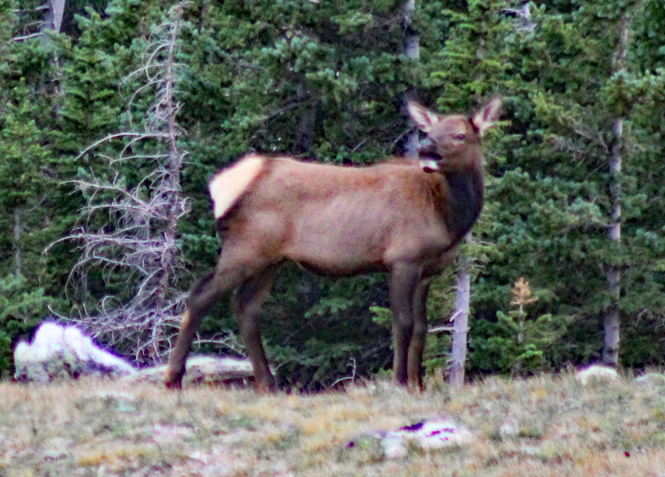
At one of the pull-offs, we saw our first elk, a cluster of males and females. It’s rut season and the bulls bugaling echoed throughout the valley.

When we reached the Visitor’s Center (closed for the season) we drove on a short distance farther to the highest point on the road, 12,183 feet, and got out to climb up a small outcropping on the rocks. We immediately returned to the Roadtrek, feeling light-headed and dizzy from the altitude. Drinking a lot of water helped, but we opted to only drive for the rest of the day.
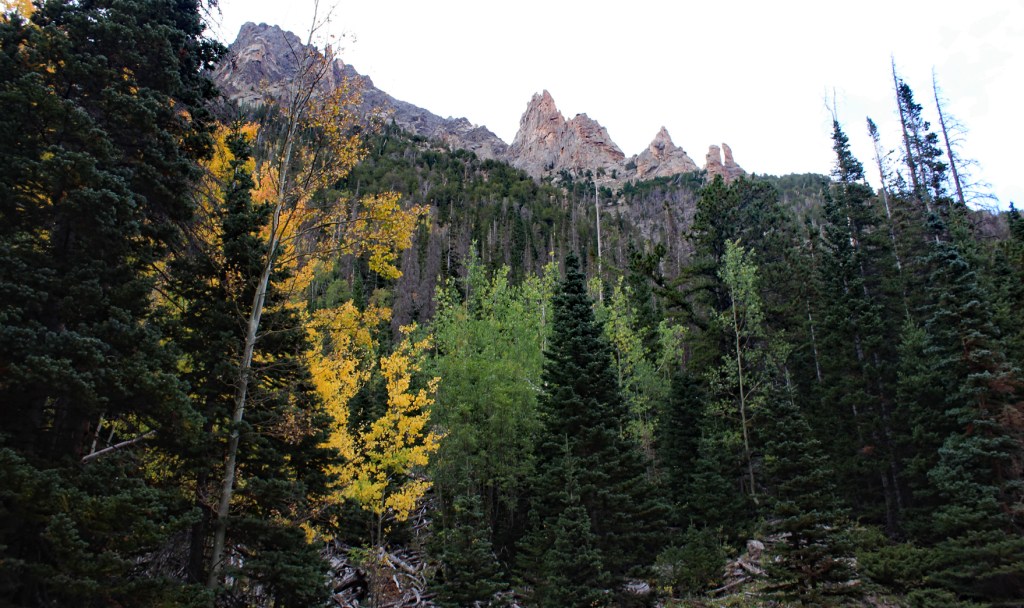
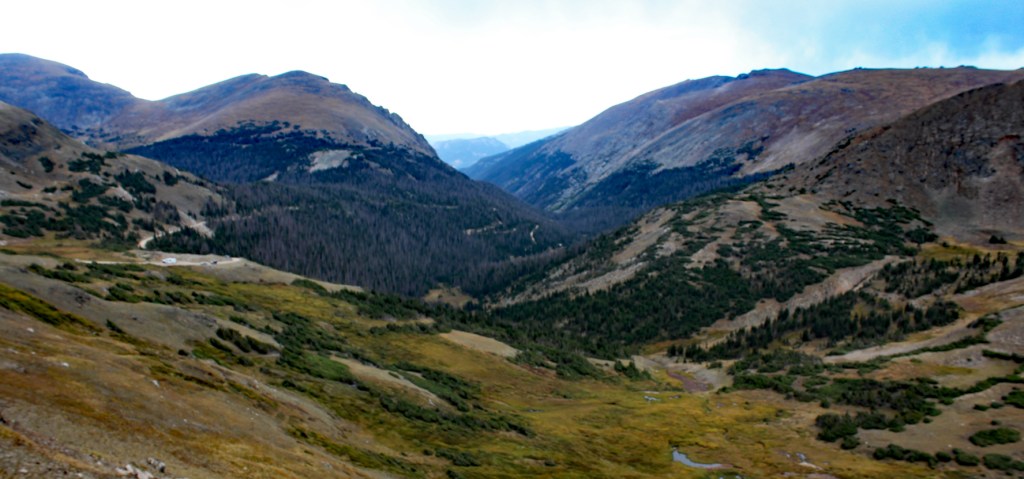
Here are some more images from the drive:
After I posted yesterday’s blog in Kansas, we drove out to Monument Rock, 50-foot high chalk spires in the middle of the prairie. They were amazing and they are the eroded remains from sedimentary deposits of the Western Interior Seaway that extended from the Gulf of Mexico to Canada, 80 million years ago. The small mud formations are nests for cliff swallows.


More adventures tomorrow in the national park.
 T&C Southwest Adventure 2021
Brings back memories. It was very cold when we were at RMNP and some of the the mountain driving got your attention. We saw a heard of elk when we were leaving the park near an historic cabin. The cabin has a sign and a parking lot and is not hard to find. I forget the name of it. Happy travels….
LikeLike
Gorgeous pictures! We have not made it to Rocky Mountain National Park (yet)!
LikeLike